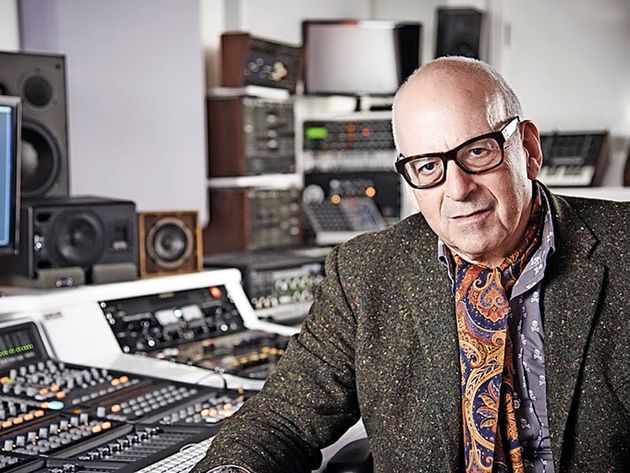
Despite being a budding film editor, Daniel Miller showed early signs of entrepreneurialism in the late ’70s by scraping up enough money to release his own single, Warm Leatherette.
Recorded in Miller’s apartment using two Revox B-77 tape machines and a cheap Korg 700S synth, the track was a dystopian predictor of the Electronic Rock movement that was to explode several years later. The single was released on Miller’s own Mute label, and demo tapes came flooding in to the address provided on the vinyl sleeve, with New Wave/Industrial act Fad Gadget becoming the label’s first true signing in 1979.
Since that day, Mute have ridden through the hiccups that all labels experience. The initial success of Depeche Mode helped guide the label, while gigantic sales from Moby’s Play album provided much-needed income during a troublesome end to the ’90s.
Today, Mute is in rude health, having expanded their roster of artists and recently upgraded their studio facilities to provide a luxurious environment for in-house and external clients to get creative. MusicRadar visited Miller and took a tour round Studio Mute…
You signed Depeche Mode in 1980. Was their success the key to the ignition, so to speak?
“There were quite a lot of releases between my first single and the first Depeche Mode record. I didn’t have an office or anything; I just worked from home, and for quite a long time I didn’t have any employees so the overheads were really low. The first release we did outside of my single was Fad Gadget, which we recorded quite cheaply and that did very well. In those days, you could sell 10,000 singles relatively easily if it got good reviews and John Peel played it, and there was a very healthy export market. Once I started to release albums from DAF, Fad Gadget and Silicon Teens – another project I did – that all helped keep things going. My ambitions were high musically, but low in terms of running a business.”
Are there any artists you would have loved to have signed but missed out on?
“Not really. Human League I really liked and Cabaret Voltaire, but they were up in Sheffield and I didn’t know them at all. Kraftwerk were a bit outside of my league at the time [laughs] and probably still are now. We were very friendly with some of the other bands like Soft Cell and Blancmange; I really liked Soft Cell and produced their first singles. I knew OMD early on, but I was encouraging people to put stuff out on their own labels if they could. I wasn’t trying to hoard all these artists; my first thought was, ‘Why don’t you put it out yourselves?'”
Categories: Culture
 BONGORAMA.COM